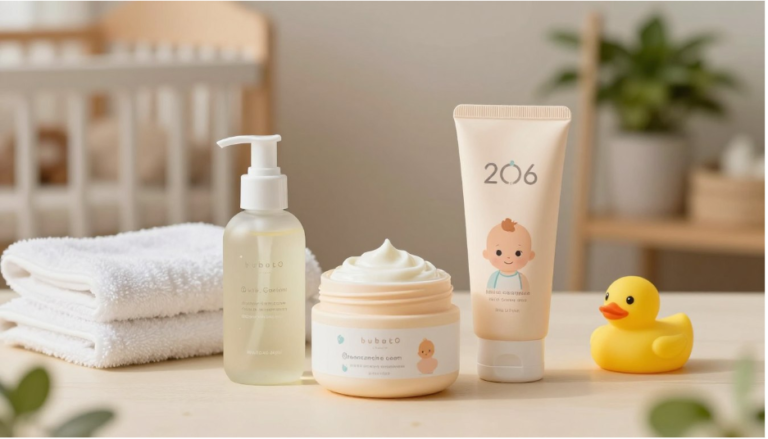
Most importance of bathing hygiene for kids in 2026

As a parent, I know that keeping children clean is more than just a daily chore. Establishing a solid routine for bathing hygiene is essential for protecting your little ones from invisible threats like bacteria and viruses.
Teaching kids about personal hygiene early on builds habits that last a lifetime. When children understand the importance of bathing, they take ownership of their physical health and overall well-being.
Regular washing helps remove dirt and allergens that accumulate throughout the day. By making this time fun and consistent, I ensure my children stay healthy while preventing the spread of common infections. Let’s explore how these simple steps create a foundation for a cleaner, happier life.
Key Takeaways
- Consistent cleaning routines significantly reduce the risk of common childhood illnesses.
- Early education on cleanliness empowers children to manage their own health.
- Daily washing effectively removes harmful germs and environmental allergens.
- Establishing a routine fosters a positive relationship with self-care habits.
- Physical cleanliness plays a vital role in supporting a child’s mental comfort.
Understanding the importance of bathing hygiene
Bathing hygiene plays a significant role in preventing illnesses and promoting well-being in children. As a parent, instilling good hygiene habits from an early age is crucial for their overall health.
Dr. Natalie Huynh, DO, emphasizes that germs can accumulate on skin and put kids at risk for infection. Regular bathing helps wash away these germs, reducing the risk of illness. This makes body cleansing a vital part of daily routine.
Why Regular Cleansing Matters for Child Health
Regular cleansing is essential for removing dirt, sweat, and bacteria from the skin. When kids are not bathed regularly, these substances can cause skin irritations and infections. Moreover, good hygiene practices contribute to a child’s overall well-being, boosting their confidence and health.
“Germs can accumulate on skin and put kids at risk for infection,” says Dr. Natalie Huynh, DO, highlighting the importance of regular bathing.
Preventing Infections through Consistent Habits
Consistent bathing habits are key to preventing infections in children. By establishing a routine, parents can help their kids develop good hygiene practices that will benefit them throughout their lives. This includes not just the frequency of bathing but also the thoroughness of the cleansing process.
By understanding the importance of bathing hygiene and making it a priority, parents can significantly contribute to their child’s health and well-being.
Preparing the bathroom environment for safety
To ensure a safe and enjoyable bathing experience, the bathroom environment must be prepared with care. This involves taking several precautions to prevent accidents and create a secure space for kids to bathe.
According to Dr. Russell Horton, DO, setting the water heater to a maximum of 120 degrees Fahrenheit is crucial to prevent accidental burns. This simple adjustment can significantly reduce the risk of scalding.
Essential Safety Gear for the Bathtub
Installing safety gear in the bathtub is vital. This includes non-slip mats or stickers at the bottom of the tub to prevent slipping, and grab bars to provide support.
- Non-slip mats or stickers
- Grab bars
- Bath seats or rings for added stability
Managing Water Temperature and Depth
Managing the water temperature and depth is critical. The ideal water temperature for bathing kids should be between 98°F and 100°F. It’s also important to ensure the water is not too deep, as this can be hazardous for young children.
“Testing the water temperature with your elbow or the back of your hand can help ensure it’s not too hot or cold for your child.”
By taking these precautions, parents can create a safe and comfortable bathing environment for their kids.
Selecting the right hygiene products for sensitive skin
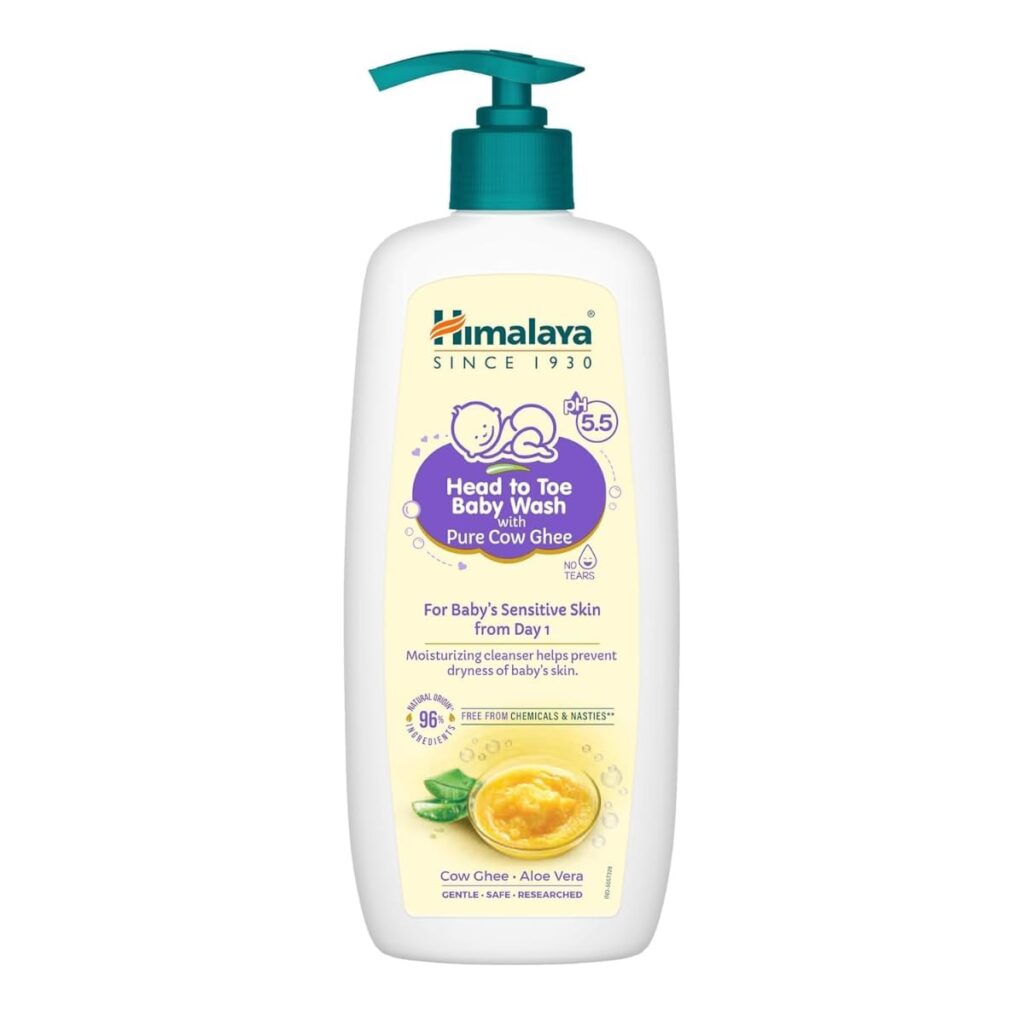
When it comes to bathing hygiene for kids, one crucial aspect is selecting the right hygiene products for their sensitive skin. Children’s skin is more delicate and prone to irritation, making the choice of hygiene products critical for their comfort and health.
Dr. Mary Stapel, MD, recommends using mild soap or cleanser that is unscented or has minimal fragrance to prevent skin irritation. This advice underscores the importance of being mindful of the ingredients in the products we use on our children’s skin.
Gentle Ingredients to Look For
Identifying gentle ingredients in body wash is essential for maintaining the skin health of children. Look for products that are labeled as hypoallergenic and fragrance-free, as these are less likely to cause allergic reactions.
Key gentle ingredients include:
- Glycerin, which helps retain moisture in the skin.
- Ceramides, important for repairing the skin’s barrier function.
- Aloe vera, known for its soothing properties.
Avoiding Harsh Chemicals and Fragrances
It’s equally important to avoid harsh chemicals and fragrances that can cause skin irritation. Products containing sulfates, parabens, and artificial fragrances should be avoided as they can strip the skin of its natural oils and cause irritation.
| Ingredient | Potential Irritation | Alternative |
|---|---|---|
| Sulfates | Strip natural oils, cause dryness | Sulfate-free cleansers |
| Parabens | Potential hormone disruptors | Paraben-free products |
| Artificial Fragrances | Allergic reactions, skin irritation | Fragrance-free or natural fragrances |
By choosing the right hygiene products and being aware of the ingredients, parents can significantly reduce the risk of skin irritation and ensure a healthy skincare regimen for their children.
Establishing a consistent daily bathing routine

A consistent bathing routine helps children understand the importance of personal hygiene and makes bath time a positive experience. As a parent, establishing a daily routine can be a straightforward way to ensure your child develops good hygiene habits.
“Consistency is key when it comes to developing healthy habits in children,” and a daily bathing routine is no exception. By sticking to a regular schedule, you can help your child feel more secure and develop a sense of responsibility.
Creating a Predictable Schedule for Kids
To create a predictable schedule, it’s essential to choose a consistent time of day that works for your child. For many families, bath time is a calming pre-bedtime routine. By bathing at the same time every day, your child will begin to anticipate and prepare for this activity.
Consider your child’s age and needs when deciding on the frequency and timing of baths. For example, infants may require more frequent bathing, while toddlers may need fewer baths but more supervision.
Making Bath Time an Enjoyable Experience
Making bath time enjoyable is crucial for creating a positive association with personal hygiene. You can achieve this by incorporating fun elements into the bathing routine, such as singing songs, using colorful bath toys, or reading a story together.
By turning bath time into a positive experience, you can help your child look forward to this daily activity. As one parenting expert notes, “When bath time is fun, children are more likely to cooperate and develop a lifelong appreciation for personal hygiene.”
- Use gentle, kid-friendly products that are free from harsh chemicals.
- Keep the bath water at a comfortable temperature.
- Make sure the bathroom is well-ventilated and safe.
By following these tips and maintaining a consistent daily bathing routine, you can help your child develop good hygiene habits and a positive attitude towards personal care.
Step-by-step guide to effective body cleansing
A step-by-step approach to body cleansing can make bath time more efficient and enjoyable for kids. Effective body cleansing is not just about getting clean; it’s about establishing good hygiene practices that will benefit them throughout their lives.
Preparing the child for the bath
Before starting the bath, it’s essential to prepare the child. This includes ensuring the water is not too hot or cold and that all necessary bathing products are within reach. As “The American Academy of Pediatrics suggests that parents should always check the water temperature before placing their child in the bath”. This simple step can prevent accidents and make the experience more comfortable for the child.
The sequence of washing from head to toe
The sequence of washing is crucial for effective body cleansing. Start by wetting the child’s body, then apply a gentle body wash. It’s recommended to start from the cleanest areas and move towards the dirtiest. This approach helps in maintaining cleanliness and prevents the spread of dirt and bacteria.
Focusing on high-bacteria areas
Certain areas of the body are more prone to bacterial accumulation. These include behind the ears, between the toes, and under the arms. Focusing on these high-bacteria areas is crucial for thorough cleansing. Use a gentle scrubber or washcloth to clean these areas without causing irritation.
After applying body wash, it’s vital to rinse the child’s body thoroughly. Residual soap can cause skin irritation and dryness. Ensure that all soap is removed, especially from areas like the neck, armpits, and groin. As a general rule, rinse each area twice to ensure it’s clean.
By following this step-by-step guide to body cleansing, parents can help their kids develop good hygiene practices that will last a lifetime. It’s not just about cleanliness; it’s about teaching children the importance of personal hygiene and how to maintain it effectively.
Mastering proper body wash techniques for different ages
Effective body wash techniques vary significantly across different stages of a child’s development. As children grow, their skin type, sensitivity, and ability to perform hygiene tasks independently change, necessitating adjustments in bathing practices.
According to Dr. Russell Horton, DO, bathing frequency depends on the child’s age, with infants and toddlers requiring less frequent bathing than older kids. Understanding these differences is crucial for maintaining good hygiene habits.
Bathing Techniques for Infants and Toddlers
For infants and toddlers, gentle care is paramount. Their skin is sensitive, and their immune systems are still developing. When bathing this age group:
- Use lukewarm water to prevent skin irritation.
- Choose a mild, fragrance-free body wash to minimize the risk of allergic reactions.
- Gently clean the diaper area, folds of the skin, and other areas prone to moisture accumulation.
Encouraging Independence in School-Aged Children
As children grow older, they should be encouraged to take an active role in their hygiene. For school-aged children:
- Teach them the importance of personal hygiene and how to perform basic body wash tasks.
- Supervise their bathing to ensure they are using the correct techniques and products.
- Gradually increase their independence as they demonstrate their ability to maintain good hygiene.
Supervising Hygiene Habits for Pre-teens
Pre-teens are at a stage where they are developing their own preferences and may start to take more control over their hygiene habits. It’s essential to:
- Monitor their hygiene practices to ensure they are maintaining good habits.
- Discuss the importance of using appropriate hygiene products suitable for their skin type.
- Encourage them to establish a consistent daily routine that includes bathing or showering.
By mastering proper body wash techniques tailored to different ages, parents can help their children develop good hygiene habits that will last a lifetime.
Addressing common hygiene challenges in children
As parents, we often encounter various hygiene challenges while trying to maintain cleanliness habits in our children. These challenges can range from resistance to bath time to managing skin sensitivities and dryness.
Establishing good hygiene practices is crucial for children’s health and development. However, it’s not always easy. Children may resist bath time or experience skin issues due to various factors, including sensitivity to certain products or environmental conditions.
Handling Resistance to Bath Time
One of the most common hygiene challenges parents face is handling resistance to bath time. Children often resist bath time due to fear, discomfort, or simply because they are having fun playing.
To overcome this, making bath time enjoyable can be a game-changer. Using gentle, kid-friendly products and creating a fun atmosphere can help. For example, using toys or singing songs can distract the child and make the experience more pleasant.
Tips for making bath time enjoyable:
- Use warm water
- Choose gentle, fragrance-free products
- Incorporate play elements like toys or games
- Keep bath time short
Managing Skin Sensitivities and Dryness
Skin sensitivities and dryness are other common hygiene challenges. Using harsh products or bathing too frequently can strip the skin of its natural oils, leading to dryness and irritation.
Dr. Horton recommends using gentle products and moisturizing after bathing to manage skin sensitivities and dryness. Gentle, fragrance-free cleansers are less likely to irritate the skin.
Moisturizing immediately after bathing helps lock in hydration and soothe dry skin. It’s also essential to be mindful of the water temperature and avoid bathing too frequently.
Post-bath skincare regimen and grooming tips

A consistent post-bath skincare routine is essential for locking in moisture and promoting overall skin health in children. As Dr. Stapel recommends, applying moisturizer after bathing is a crucial step in maintaining hydrated and protected skin.
Gentle Drying Techniques
Gentle drying is a critical aspect of a post-bath skincare regimen. Rough drying can strip the skin of its natural oils, leading to dryness and irritation. Instead, gently pat the skin dry with a soft towel, paying extra attention to sensitive areas.
Tips for Gentle Drying:
- Use a soft, microfiber towel to gently pat dry the skin.
- Avoid rubbing or scrubbing the skin, especially in sensitive areas.
- Pay extra attention to areas between folds of skin where moisture can accumulate.
Applying Moisturizers to Lock in Hydration
Applying moisturizer immediately after bathing, while the skin is still damp, helps lock in hydration. This step is vital for maintaining the skin’s natural barrier and preventing dryness.
“Moisturizing after bathing is not just about applying a product; it’s about creating a barrier that protects the skin from dryness and irritation,” says Dr. Stapel.
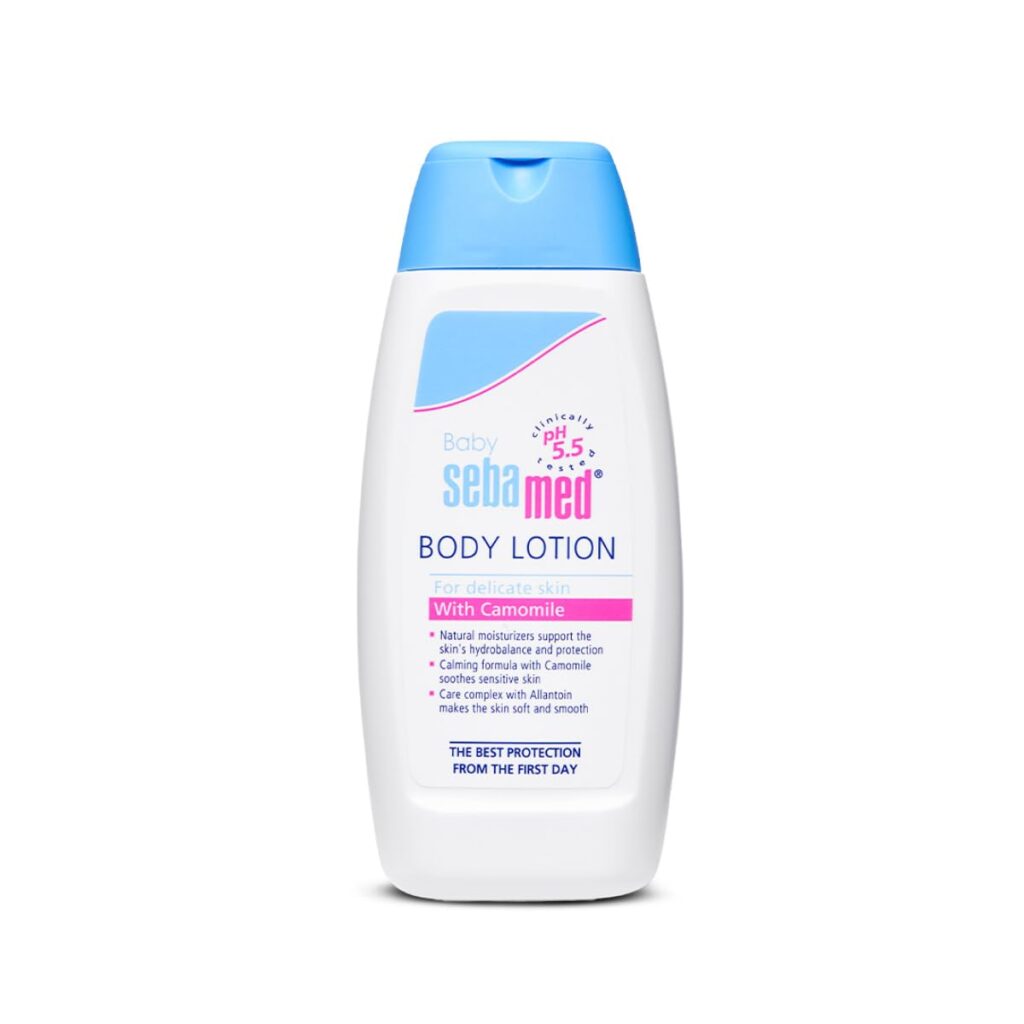
Moisturizer Application Tips:
| Age Group | Moisturizer Type | Application Frequency |
|---|---|---|
| Infants | Gentle, fragrance-free | After every bath |
| Toddlers | Moisturizing lotions or creams | At least once a day |
| School-aged Children | Lightweight moisturizers or body oils | As needed, especially after bathing |
By incorporating these post-bath skincare practices into your child’s daily routine, you can help maintain their skin health and promote good hygiene habits.
Teaching kids to take ownership of their personal care
Helping kids develop a self-care routine that includes hygiene practices is vital for their overall well-being. By instilling good hygiene habits, parents can empower their children to take charge of their personal care, leading to a more confident and independent individual.
Turning Hygiene into a Self-Care Routine
To turn hygiene into a self-care routine, it’s essential to make the experience enjoyable and engaging for kids. This can be achieved by involving them in the process of selecting their own hygiene products, such as choosing a favorite body wash or toothbrush. By giving them a sense of control, kids are more likely to take ownership of their hygiene routine.
Creating a positive association with hygiene practices is also crucial. This can be done by playing their favorite music during bath time or using fun, colorful products that make the experience more enjoyable.
Building Confidence through Cleanliness Habits
Building confidence through cleanliness habits is closely linked to the development of a consistent hygiene routine. When kids understand the importance of cleanliness and take pride in their personal care, they are more likely to feel confident in their ability to maintain good hygiene.
By following these tips and being consistent, parents can help their kids develop a lifelong habit of good hygiene and self-care. As a result, kids will be better equipped to take care of themselves and make healthy choices as they grow and develop.
Conclusion
Establishing healthy bathing practices from a young age is crucial for promoting overall health and well-being in children. By understanding the importance of bathing hygiene and implementing proper hygiene practices, parents can help their kids develop good habits that will last a lifetime.
I have outlined the essential steps to create a safe and effective bathing routine, from preparing the bathroom environment to teaching kids to take ownership of their personal care. By following these guidelines, parents can ensure their children receive the best possible start in maintaining proper hygiene practices.
Healthy bathing practices not only prevent infections and skin sensitivities but also foster a sense of confidence and independence in children. As parents, it’s essential to be consistent and patient when teaching kids about proper hygiene practices, making it a positive and enjoyable experience.
By doing so, we can help our children develop healthy habits that will benefit them throughout their lives.
FAQ
Why is maintaining consistent personal hygiene so critical for my child’s health?
In my experience, regular personal hygiene is the first line of defense against common childhood illnesses. By instilling clean body habits early on, I help prevent the spread of bacteria and skin infections. Consistent bathing hygiene isn’t just about physical appearance; it is a fundamental part of a child’s health that supports their immune system and overall well-being.
How can I ensure the bathroom environment is safe for daily bathing?
To create a safe daily routine, I recommend using bathing essentials like non-slip rubber mats and spout covers. I always check that the water temperature is around 100°F (38°C) using a thermometer or my elbow to prevent scalds. Keeping the water depth to a minimum—usually around waist height for a seated child—is one of the most vital healthy bathing practices I follow to prevent accidents.
What should I look for when selecting bathing products for sensitive skin?
I always prioritize hygiene products that are soap-free, hypoallergenic, and fragrance-free. Brands like Dove Kids Care or Aveeno Baby offer excellent options that cleanse without stripping away natural oils. When I examine bathing products, I avoid harsh sulfates and parabens, as these can disrupt the skin barrier and lead to irritation or eczema flares.
How do I establish a successful hygiene routine for a reluctant child?
I find that the best way to manage cleanliness habits is through predictability and play. I create a hygiene routine that happens at the same time every night, which helps kids feel secure. Incorporating bath essentials like colorful sponges or Crayola Bath Dropz can transform a chore into an engaging self-care routine, making the child look forward to getting clean.
What are the most effective body wash techniques for thorough body cleanliness?
To ensure total body cleanliness, I teach a “top-to-bottom” approach. We start with the face (using only water), move to the neck, and then work down to the feet. I emphasize focusing on high-bacteria areas like the underarms, groin, and between the toes. Using proper body wash techniques with a soft washcloth ensures that dirt and sweat are effectively lifted from the skin.
How do showering habits change as my child grows into a pre-teen?
As kids age, showering habits transition from a parent-led activity to an independent task. For school-aged children, I provide supervision while encouraging them to handle the scrubbing themselves. For pre-teens, I focus on teaching them more advanced hygiene practices, such as the importance of daily deodorant and more intensive facial cleansing to manage the hormonal changes that affect their skin.
What should a post-bath skin care routine look like?
My preferred skincare regimen involves “pat-drying” rather than rubbing the skin with a towel to avoid irritation. While the skin is still slightly damp, I apply a moisturizer like CeraVe Baby Moisturizing Lotion to lock in hydration. This step is a cornerstone of my grooming tips to ensure the skin remains soft and protected against environmental dryness.
How can I overcome resistance to proper hygiene practices?
When faced with resistance, I use several hygiene tips to regain cooperation. I might offer choices, such as “Do you want the blue towel or the green one?” to give them a sense of control. If they struggle with water in their eyes, using a visor or a specialized rinser can help. Providing positive reinforcement for following good hygiene practices builds their confidence and reduces future power struggles.
How do I teach my child to take ownership of their personal care?
I turn cleanliness into a point of pride by highlighting how good it feels to be fresh and clean. By providing them with their own “kit” of grooming tips and tools, I encourage them to view personal care as an act of self-respect. Gradually stepping back and letting them manage their bathing habits helps them build the confidence necessary to maintain these cleanliness tips throughout their lives.