The Best Newborn Baby Pillow for Head Shaping in India (2026)

Did you know that nearly half of all infants develop some degree of flat head syndrome during their first few months? As a parent, I understand how concerning this can be when you notice your little one’s skull shape changing. Fortunately, modern solutions make head shaping much easier to manage at home.
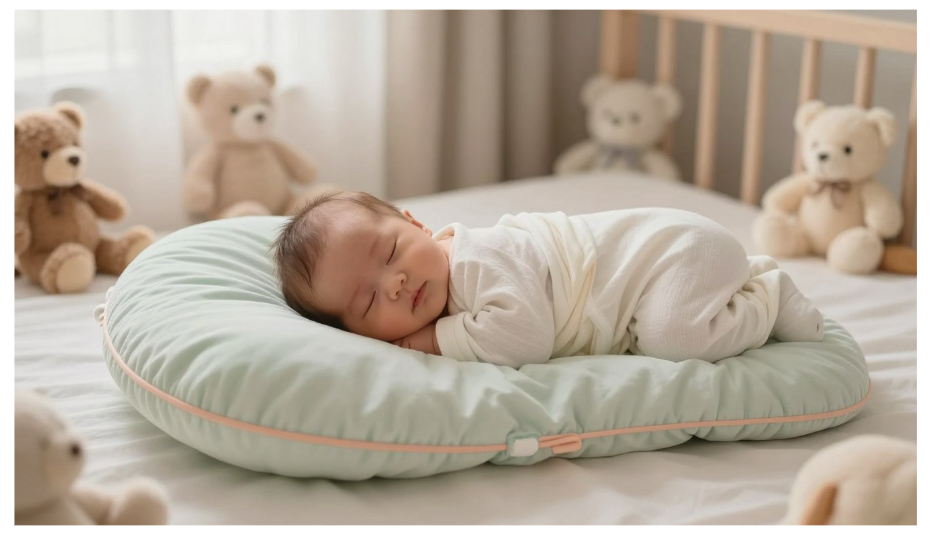
I have discovered a specialized newborn pillow that stands out for its quality and effectiveness. Designed by comfort specialists, this product uses premium medical-grade materials to ensure your child stays comfortable while resting. It is truly one of the best baby pillows available for parents seeking reliable support.
You can secure this essential infant pillow for just Rs. 995.00, including GST. The company prioritizes efficiency, ensuring your baby pillow is dispatched within 1–3 business working days. Investing in proper head shaping support early on provides peace of mind for every parent.
Key Takeaways
- Nearly 50% of infants experience mild skull flattening, making support tools vital.
- This specialized product is crafted by comfort experts using medical-grade materials.
- The item is priced affordably at Rs. 995.00 including all taxes.
- Fast shipping ensures your order arrives within 1–3 business days.
- Proper positioning helps maintain natural development during the early months.
Understanding the Importance of Head Shaping for Newborns
As a parent, understanding the significance of head shaping for newborns is crucial for their overall development. Head shaping refers to the process of ensuring that a baby’s head maintains a symmetrical shape, which is vital for both aesthetic and health reasons.
The shape of a newborn’s head is malleable due to the soft bones of the skull, which are designed to allow for the baby’s passage through the birth canal. However, this malleability also makes the head susceptible to positional influences that can lead to irregularities in shape.
Why Positional Plagiocephaly Occurs in Infants
Positional plagiocephaly, also known as flat head syndrome, occurs when a baby develops a flat spot on the back or side of their head. This condition is often a result of prolonged pressure on one part of the skull, typically due to lying in the same position for extended periods.
Several factors contribute to the development of positional plagiocephaly, including premature birth, multiple births (twins, triplets, etc.), and certain medical conditions that affect muscle tone or mobility. Additionally, the American Academy of Pediatrics recommends that babies sleep on their backs to reduce the risk of SIDS, which can also contribute to the development of flat head syndrome if not managed properly.
The Role of Ergonomic Pillows in Early Development
Ergonomic pillows are designed to support the natural shape of a baby’s head and neck, helping to distribute pressure evenly and prevent the development of flat spots. These pillows can be particularly beneficial for newborns, as they aid in maintaining proper head alignment and support early developmental milestones.
By using an ergonomic pillow, parents can help mitigate the risk of positional plagiocephaly and support their baby’s overall cranial development. It’s essential to choose a pillow that is both comfortable and safe for the infant, made from breathable materials, and designed with the baby’s safety and comfort in mind.
Selecting the Best Baby Pillow for Your Infant
The process of picking the ideal baby pillow requires careful evaluation of several key elements. As a parent, it’s essential to consider factors that directly impact your infant’s safety and comfort.
“A good baby pillow can make a significant difference in your infant’s sleep quality and overall development,” says a pediatrician. When evaluating a baby pillow, it’s crucial to assess its material safety and breathability.
Evaluating Material Safety and Breathability
The material used in the baby pillow is critical. Premium medical-grade materials are preferred due to their safety and durability. For instance, the product is made from premium medical-grade materials, ensuring a high level of safety and comfort for the infant.
Breathability is another vital factor. A breathable pillow allows for airflow, reducing the risk of overheating. This feature is particularly important for infant safety.
Identifying the Right Firmness for Neck Support
The firmness of the pillow is also a critical consideration. A pillow that is too soft may not provide adequate support for the infant’s neck, while one that is too firm may be uncomfortable.
The right firmness ensures proper alignment of the spine and supports the infant’s neck. It’s essential to choose a pillow that strikes the perfect balance.
Checking for Hypoallergenic Certifications
Hypoallergenic certifications are a must when selecting a baby pillow. These certifications ensure that the pillow is made from materials that are less likely to cause allergic reactions.
As a parent, it’s reassuring to know that the pillow you choose has been certified hypoallergenic, providing a safe sleeping environment for your infant.
In conclusion, selecting the best baby pillow involves a thorough evaluation of material safety, firmness, and hypoallergenic certifications. By considering these factors, parents can make an informed decision that prioritizes their infant’s safety and comfort.
Step by Step Guide to Using a Newborn Pillow Safely
Using a newborn pillow safely is crucial for your baby’s head shaping and overall development. As a parent, it’s essential to understand the correct way to introduce and use a newborn pillow to ensure your infant’s safety and comfort.
Positioning the Infant for Optimal Head Alignment
When using a newborn pillow, it’s vital to position your infant correctly to achieve optimal head alignment. Place the pillow under the baby’s head, ensuring it supports the neck and maintains the natural curve of the spine. Always place your baby on their back to sleep, as recommended by pediatric guidelines.
Monitoring Sleep Patterns and Pillow Usage
Monitoring your baby’s sleep patterns and pillow usage is critical. Ensure the pillow is not too thick or too thin, as this can affect the baby’s comfort and safety. Regularly check for any signs of discomfort or skin irritation. It’s also essential to maintain a safe sleep environment, keeping the crib free from soft toys and loose bedding.
| Age | Pillow Usage | Safety Precautions |
|---|---|---|
| 0-3 months | Introduction to newborn pillow | Monitor for signs of discomfort |
| 3-6 months | Continued use with adjustments | Regularly check pillow condition |
| 6+ months | Transitioning away from pillow | Ensure a safe sleep environment |
Transitioning Away from Pillows as the Baby Grows
As your baby grows, it’s essential to transition away from using a newborn pillow. Typically, by the time the baby is 12-18 months old, they can safely move to a toddler pillow or no pillow at all. Gradually introduce changes to the sleep environment to help your baby adjust.
By following these guidelines and being mindful of your baby’s development, you can ensure the safe and effective use of a newborn pillow.
Top Rated Options for the Best Baby Pillow in India
When it comes to selecting the best baby pillow in India, several top-rated options stand out for their quality and safety features. As a parent, it’s crucial to choose a pillow that not only supports your baby’s head and neck but also adheres to safety standards.
The Indian market is flooded with various baby pillows, but some have garnered more attention due to their innovative designs, material safety, and comfort. Here, we’ll explore three such top-rated pillows that have been well-received by parents.
Mamaearth Organic Cotton Head Shaping Pillow
The Mamaearth Organic Cotton Head Shaping Pillow is a popular choice among parents due to its organic cotton construction, which is gentle on the baby’s skin and hypoallergenic. This pillow is designed to support the baby’s head and help in shaping it during the early months.
- Made from 100% organic cotton
- Soft and breathable design
- Hypoallergenic and safe for sensitive skin
Bey Bee Memory Foam Infant Pillow
For those looking for a pillow with advanced support, the Bey Bee Memory Foam Infant Pillow is a great option. It utilizes memory foam to provide customized support to the baby’s head and neck, ensuring proper alignment and comfort.
- Provides excellent support and maintains head alignment
- Made from high-quality memory foam
- Designed for comfort and safety
Mylo Essentials Breathable Head Shaping Pillow
The Mylo Essentials Breathable Head Shaping Pillow is another highly rated option that focuses on breathability and comfort. Its design ensures that the baby’s head remains cool and comfortable, reducing the risk of overheating.
- Breathable material for temperature regulation
- Soft and comfortable against the baby’s skin
- Supports healthy head shaping
These top-rated pillows have been chosen for their unique features, safety, and the comfort they provide to newborns. When selecting a baby pillow, it’s essential to consider factors like material, breathability, and the specific needs of your baby.
Comparing Memory Foam Versus Organic Cotton Fillings
When it comes to choosing the right filling for your baby’s pillow, two popular options stand out: memory foam and organic cotton. Both materials have their unique benefits, catering to different needs and preferences of parents.
The decision between these fillings can significantly impact the comfort and safety of your infant. Understanding their characteristics is crucial for making an informed decision.
Benefits of Memory Foam for Pressure Distribution
Memory foam is renowned for its ability to conform to the shape of the baby’s head, providing optimal support and pressure distribution. This characteristic is particularly beneficial for newborns, as it helps in maintaining the natural alignment of the head and neck.
The viscoelastic properties of memory foam allow it to adjust to the baby’s head, ensuring that the pressure is evenly distributed. This can be especially helpful for infants with positional plagiocephaly or those who tend to rest their heads in the same position.
Advantages of Organic Cotton for Sensitive Skin
On the other hand, organic cotton is a preferred choice for babies with sensitive skin. It is grown without the use of harmful pesticides or synthetic fertilizers, making it a hypoallergenic option that reduces the risk of skin irritation.
Organic cotton fillings are breathable, allowing for airflow that helps regulate the baby’s body temperature. This feature is essential for maintaining a comfortable sleep environment.
| Characteristics | Memory Foam | Organic Cotton |
|---|---|---|
| Pressure Distribution | Excellent | Good |
| Skin Sensitivity | Variable | Hypoallergenic |
| Breathability | Limited | High |
Common Mistakes to Avoid When Using Pillows for Infants

Using pillows for infants can be beneficial, but it’s crucial to be aware of the common mistakes that can impact their safety and development. As a parent, being informed about these potential pitfalls can help ensure that your infant gets the best possible start in life.
Ignoring SIDS Guidelines and Sleep Safety
One of the most critical mistakes parents can make is ignoring the guidelines set forth by the Safe to Sleep campaign, previously known as the Back to Sleep campaign, which aims to reduce the risk of Sudden Infant Death Syndrome (SIDS). It’s essential to understand that using pillows can sometimes be at odds with SIDS prevention strategies, particularly if the pillow is not used correctly or if it increases the risk of the infant rolling onto their stomach or side during sleep.
To minimize risks, always place your infant on a firm and flat mattress, and ensure that the pillow is designed with safety features such as breathable materials and a snug fit to prevent the infant from slipping under or becoming entangled in the pillow.
Over-reliance on Pillows During Unsupervised Naps
Another common mistake is relying too heavily on pillows during unsupervised naps. While pillows can be helpful for head shaping and comfort, they should not be used as a substitute for proper supervision. It’s vital to monitor your infant during sleep to ensure their safety and adjust the pillow as needed to prevent any potential risks.
To avoid over-reliance, establish a safe sleep routine that includes regular checks on your infant and ensures that the sleep environment is safe and free from hazards. This includes using a sleep sack or swaddle in conjunction with the pillow, if recommended by your pediatrician, to keep your infant secure and comfortable.
Maintaining Hygiene and Longevity of Your Baby Pillow
A clean baby pillow is not just a matter of hygiene, but also of your baby’s overall well-being. Ensuring that your baby’s pillow remains clean and in good condition is crucial for their health and comfort.
As a parent, it’s essential to understand the importance of baby pillow hygiene and how to maintain it. Regular maintenance can extend the life of the pillow and keep your baby safe from allergens and bacteria.
Washing Instructions for Delicate Fabrics
When it comes to washing your baby’s pillow, it’s crucial to follow the manufacturer’s instructions. Most baby pillows are made from delicate fabrics that require gentle care. Here are some general guidelines:
- Check the label for washing instructions.
- Use a mild detergent that is free from harsh chemicals.
- Wash the pillow cover separately from other laundry.
- Avoid using bleach or fabric softeners.
For pillows with memory foam or other sensitive fillings, spot cleaning is often recommended. Dampen a cloth with water, add a small amount of mild soap, and gently clean the stained area. Allow the pillow to air dry completely before using it again.
| Washing Method | Pillow Type | Recommended Detergent |
|---|---|---|
| Machine Wash | Cotton or Synthetic | Mild Detergent |
| Spot Cleaning | Memory Foam | Mild Soap |
| Hand Wash | Delicate Fabrics | Gentle Baby Detergent |
When to Replace Your Infant Pillow
Knowing when to replace your baby’s pillow is just as important as keeping it clean. Over time, pillows can lose their shape and support, and may accumulate allergens and bacteria despite regular washing.
Here are some signs that it’s time to replace your baby’s pillow:
- Visible signs of wear and tear.
- Flattening or loss of shape.
- Unpleasant odors that persist despite washing.
- Your baby is growing out of the pillow.
As the American Academy of Pediatrics suggests, “Regularly inspecting and maintaining your baby’s sleep environment is crucial for their safety and health.”
“A safe sleep environment is key to reducing the risk of SIDS and other sleep-related hazards.”
By following these guidelines, you can ensure that your baby’s pillow remains a safe and comfortable part of their sleep environment.
My Personal Experience with Different Pillow Sizes and Types

As a parent, I’ve navigated the complex world of baby pillows, learning valuable lessons about sizes and types. My experience has been a journey of discovery, from understanding the needs of newborns to adapting to the changing requirements as my child grew.
The process of selecting the right pillow involved considering various factors, including material, size, and firmness. I found that pillow sizes varied significantly, from compact newborn pillows to larger toddler pillows.
Navigating the Market from Toddler Pillows to Newborn Supports
Initially, I was overwhelmed by the numerous options available in the market. However, as I delved deeper, I began to understand the differences between toddler pillows and newborn supports. Newborns require pillows that are specifically designed to support their delicate heads and necks.
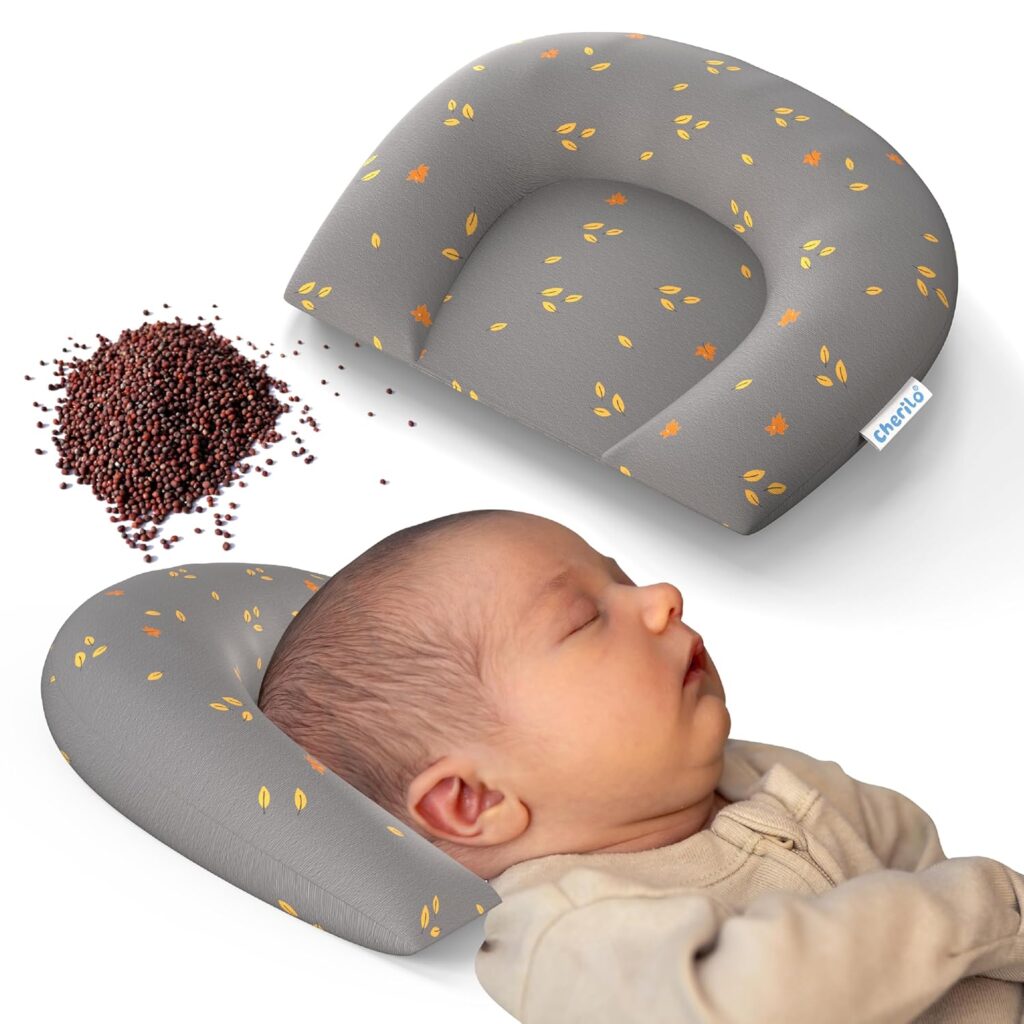
I observed that newborn supports are typically smaller and more contoured to cradle the infant’s head. In contrast, toddler pillows are larger and designed for older children who have more control over their movements.
Why I Avoided Decorative Pillows for Bed During Infancy
During my child’s infancy, I made a conscious decision to avoid using decorative pillows for their bed. The primary reason was safety; decorative pillows often contain soft materials and loose fabrics that could pose a risk to infants.
Furthermore, decorative pillows are not designed with the same safety standards as pillows specifically made for newborns and toddlers. I prioritized safety certifications and recommendations from pediatricians when choosing a pillow.
My experience taught me that while decorative pillows may be aesthetically pleasing, they are not suitable for infants. Instead, I opted for pillows that were designed with safety and comfort in mind.
Conclusion
Choosing the right baby pillow is crucial for a newborn’s head shaping and overall development. As discussed, factors such as material safety, breathability, and firmness play a significant role in selecting the best baby pillow.
From Mamaearth’s Organic Cotton Head Shaping Pillow to Bey Bee’s Memory Foam Infant Pillow, several top-rated options are available in India. It’s essential to consider the benefits of different fillings, such as memory foam for pressure distribution and organic cotton for sensitive skin.
By understanding the importance of head shaping, using pillows safely, and maintaining hygiene, parents can ensure their infant’s comfort and development. My experience with different pillow sizes and types has shown that the right choice can make a significant difference.
In conclusion, investing in the best baby pillow for head shaping is a vital decision for parents. By considering the key factors and options discussed, parents can make an informed choice that supports their baby’s healthy development.
My Personal Experience with Different Pillow Sizes and Types
Why Positional Plagiocephaly Occurs in Infants
I often explain to new parents that a newborn’s skull is incredibly soft and malleable to allow for rapid brain growth. Because infants spend a significant amount of time on their backs to prevent SIDS, constant pressure on one part of the skull can lead to positional plagiocephaly, or “flat head syndrome.” In my experience, monitoring this early is vital.
The Role of Ergonomic Pillows in Early Development
Using ergonomic pillows designed specifically for infants can help redistribute pressure across the head. I believe that a well-designed newborn pillow acts as a gentle cradle, allowing the head to maintain its natural round shape while providing the necessary support for the developing neck.
Evaluating Material Safety and Breathability
When I evaluate bedding pillows for infants, breathability is my number one priority. I look for open-cell structures in memory foam pillows or high-quality weaves in organic baby pillow options. This ensures that even if a baby shifts, airflow is maintained, reducing the risk of overheating.
Identifying the Right Firmness for Neck Support
I have found that soft pillows can actually be a hindrance if they are too plush. For a baby sleeping pillow, you need a balance of comfort and firmness. A cervical pillow style for babies should provide just enough resistance to support the spine without tilting the chin toward the chest.
Checking for Hypoallergenic Certifications
I always recommend looking for hypoallergenic pillows. Babies have sensitive skin and respiratory systems, so choosing a pillow for infants that is certified free of toxins and allergens—like the medical-grade materials used in Mylo Essentials products—is essential for peace of mind.
Positioning the Infant for Optimal Head Alignment
I suggest placing the baby’s head directly in the center of the infant pillow indentation. I make sure the shoulders are slightly below the bottom edge of the pillow to ensure the airway remains completely open and unobstructed during sleep.
Monitoring Sleep Patterns and Pillow Usage
In my routine, I always monitor how the baby moves. If I notice the baby frequently sliding off the baby pillow for sleeping, I adjust their position. It is important to use these top rated pillows only when the baby is under a watchful eye or in a safe, flat sleeping environment.
Transitioning Away from Pillows as the Baby Grows
As babies gain neck strength and start rolling, I begin the transition. Usually, around the time they become more mobile, I move from a newborn pillow to toddler pillows that are larger but still low-profile to accommodate their growing frames.
Mamaearth Organic Cotton Head Shaping Pillow
I am a big fan of the Mamaearth Organic Cotton Head Shaping Pillow. It is one of the best pillows for parents who prioritize natural fabrics. I love that it uses traditional wisdom paired with modern organic cotton, making it a very soft baby pillow for delicate skin.
Bey Bee Memory Foam Infant Pillow
For those looking for an orthopedic pillow approach, the Bey Bee Memory Foam Infant Pillow is excellent. I’ve noticed that its high-density memory foam provides incredible pressure relief, which is why it often appears in pillow reviews as a top choice for correcting flat spots.
Mylo Essentials Breathable Head Shaping Pillow
I find the Mylo Essentials Breathable Head Shaping Pillow to be one of the most comfortable pillows on the market. Its 3D air mesh technology is a lifesaver in the humid Indian climate, ensuring the infant pillow remains cool throughout the night.
Benefits of Memory Foam for Pressure Distribution
I often lean toward a memory foam pillow when a flat spot has already begun to form. The way a memory foam baby pillow contours to the specific shape of the child’s head is unparalleled for pressure distribution.
Advantages of Organic Cotton for Sensitive Skin
However, I recognize the benefits of an organic baby pillow for infants prone to allergies. Cotton is naturally breathable and easy to clean, making it a staple in any nursery pillow collection.
Ignoring SIDS Guidelines and Sleep Safety
I cannot stress this enough: never ignore safe sleep guidelines. I avoid placing any decorative pillows or oversized king pillows in a crib. A pillow for infants must be specifically sized and used appropriately to minimize risks.
Over-reliance on Pillows During Unsupervised Naps
I have seen parents rely too heavily on pillows. I believe that “tummy time” is just as important as using a custom baby pillow. Pillows should be a tool, not a total replacement for varying your baby’s positions throughout the day.
Washing Instructions for Delicate Fabrics
I always check the care label on my pillows for babies. For an organic baby pillow, a gentle machine wash is usually fine, but for memory foam pillows, I prefer spot cleaning to maintain the integrity of the foam.
When to Replace Your Infant Pillow
I recommend replacing a toddler pillow or infant pillow if it loses its shape or becomes lumpy. For a baby sleeping pillow, the support must be consistent; if it’s no longer firm, it’s time to browse the pillows for sale for a replacement.
Navigating the Market from Toddler Pillows to Newborn Supports
In my journey, I have navigated various pillow sizes. I’ve moved from the tiny newborn pillow to the slightly larger toddler pillow. I’ve even explored a pregnancy pillow for my own comfort and a body pillow for side-sleeping support, but for my child, specialized support always came first.
Why I Avoided Decorative Pillows for Bed During Infancy
While decorative pillows for bed look beautiful in photos, I always kept them out of the sleeping area. I chose functionality over fashion, opting for a pillow for neck pain prevention rather than aesthetic luxury pillows that served no ergonomic purpose for a child.